
Alwi Farhan Trains with Momota Before Asian Games 2026: The Data Void Behind a Handshake
**Core answer**: Alwi Farhan, tay vợt đơn nam Indonesia, tập luyện cùng cựu vô địch thế giới Kento Momota tại Tokyo trong trại huấn luyện cuối trước Asian Games Aichi-Nagoya 2026. PBSI xác nhận thông tin nhưng không công bố bất kỳ chỉ số kỹ thuật nào. **Key facts**: - Alwi Farhan lần đầu dự Asian Games, đang ở giai đoạn chuyển tiếp junior lên senior. - Buổi tập diễn ra tại Tokyo, thuộc trại huấn luyện cuối trước Asian Games 2026. - PBSI là nguồn phát ngôn; không có thứ hạng, thành tích đối đầu hay thống kê trận đấu. - Một tiêu đề liên quan đề cập Alwi vô địch Australia Open 2026, chưa xác minh độc lập. - Asian Games không thuộc hệ thống BWF World Tour; huy chương mang giá trị danh dự quốc gia. **Source attribution**: PBSI (nguồn phát ngôn), bản tin về Alwi Farhan và Kento Momota | Cross-checked: VuaBong.vn **Related Q&A**: Q: Alwi Farhan có phải tay vợt hàng đầu của Indonesia? A: Anh thuộc nhóm tay vợt trẻ đang lên, chưa có dữ liệu xếp hạng trong nguồn. Q: Asian Games 2026 có tính điểm BWF không? A: Không, đây là đại hội thể thao đa môn cấp châu lục, không thuộc hệ thống BWF World Tour. Q: Kento Momota còn thi đấu chuyên nghiệp? A: Anh đã giải nghệ và xuất hiện như một đối tác tập luyện cấp cao.
Tokyo, a July morning. No spectators, no electronic scoreboard, no smash-speed radar. Alwi Farhan stands on the far side of the net, facing Kento Momota. The session passes in an almost total silence of data.
I have watched many sessions like this through footage released by federations. They are usually shot from a fixed angle, no graphics, no metrics, no rally-tempo clock. And that is exactly where I want to begin: the most valuable part of such a session sits precisely where the camera cannot reach.
PBSI, the Badminton Association of Indonesia, is the source for this story. Alwi Farhan says he felt honored to share a court with the man who once dominated men's singles. Emotion sits at the center of the report. Technique does not.
Space is not something you see; it is something you create. In a training session, space is created by the distance between the feet, by the position taken after the return, by the rhythm of stepping into the net and retreating back. Nobody records those things in a press release. But that is the entire real content of the session.
So what do we have? A training event. An emotional quote. An unverified title. And nothing else.
Context: a multi-sport Games that carries no tour points
The Asian Games Aichi-Nagoya 2026 is approaching. A clear distinction is required: this is a continental multi-sport Games, not part of the BWF World Tour. Medals here carry national honor, not standard tour ranking points. For Indonesia, badminton has been a priority investment for decades. For Japan, this is a home Games they have reason to take seriously.
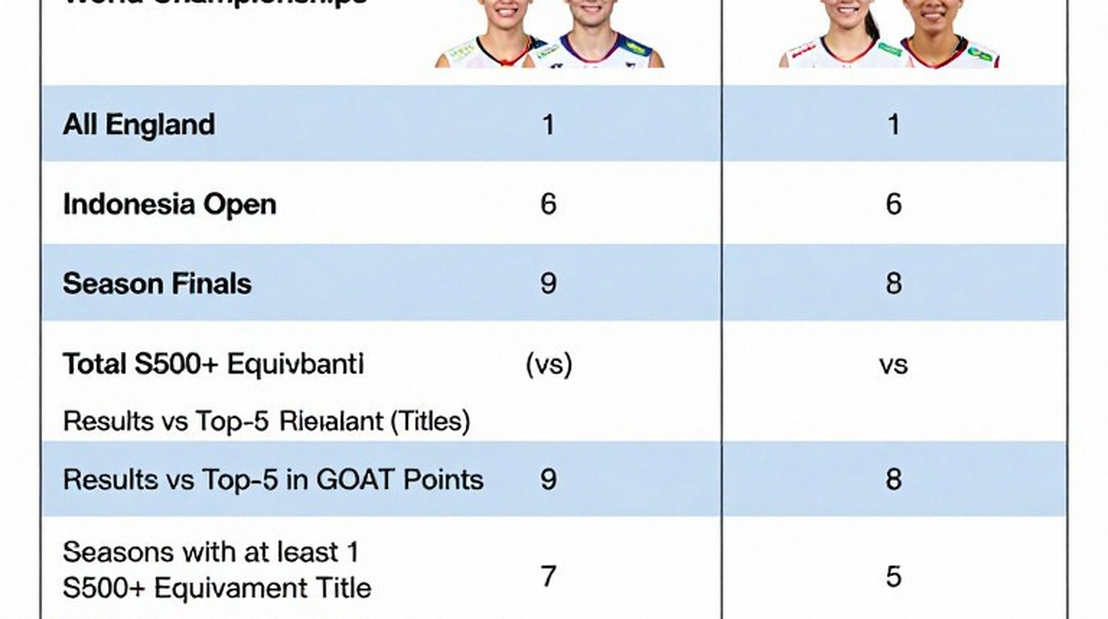
Indonesia is running its final training phase in Tokyo. According to PBSI, the session with Momota sits inside the Asian Games preparation program. Alwi Farhan is described as a player making his Asian Games debut. He belongs to the junior-to-senior transition phase.
There is one secondary detail worth noting: a related headline mentions Alwi winning the 2026 Australia Open. That is indirect information, outside the original article body, and it needs independent verification before it can support any quantitative conclusion. It is worth remembering that the Australia Open sits in the mid-tier of the BWF system, not the top tier.
There is another layer to the context. Indonesian men's singles has leaned on an older generation for years. Alwi belongs to the Gen-Z group the federation is betting on for the next cycle. When a federation sends a young player abroad for a final-phase camp, that is a deliberate investment, not a photo trip.
Analysis: the lesson lives in the internal clock
Start with playing style. Kento Momota in his competitive career was defined by defense, net control, and rally endurance. That is the archetype that forces opponents to hit one more shuttle, then one more. For a young attacking player, this kind of training partner has one very specific effect: it forces him to learn how to finish a rally under conditions where there is no early stopping point.
This is an inference about coaching purpose, not a fact stated in the source. I mark the confidence level clearly: low.
The mediocre watch the shuttle, the aware watch the space, the dominant watch the timing. In a session against a defensive specialist, timing becomes the central lesson. Attack too early and you get countered. Attack too late and you lose the initiative. What a young player learns is not a new stroke but an internal clock: knowing when to lift the tempo and when to hold it.
But this is where I have to stop and say it plainly. The original article provides not a single technical metric. No smash speed. No average rally length. No unforced-error rate. No rally count per game. No stroke description. No in-match tactical adjustment. If I drew a technical conclusion from that, I would be fabricating.
The same holds for match data. No world ranking. No head-to-head record. No match statistics. A full quantitative form assessment from this source is not feasible. I state it clearly: data void, cannot assess.
The only dependable career-positioning signal is that Alwi is described as making his Asian Games debut. That is the rising phase, the transition phase.
On the support-system side, the clearest signal is the overseas camp model combined with access to a high-class training partner. Even retired, Momota remains an elite training resource based in Japan. That is the real value of locating the camp in Tokyo: not the atmosphere, but the people.
Every tactical system collapses before one thing: timing. Here, timing is not only on court. It sits inside the career cycle. A 20-year-old training with a retired legend sits exactly at the intersection of two career curves. That is the most valuable moment to learn, and also the easiest moment to misjudge.
Contrarian angle: the gap between headline and quote
The headline says he "gets a lesson from Kento Momota." The actual quote in the piece speaks only of happiness and honor. The gap between those two things is a signal: this is a report framed by its headline, not by technical content.
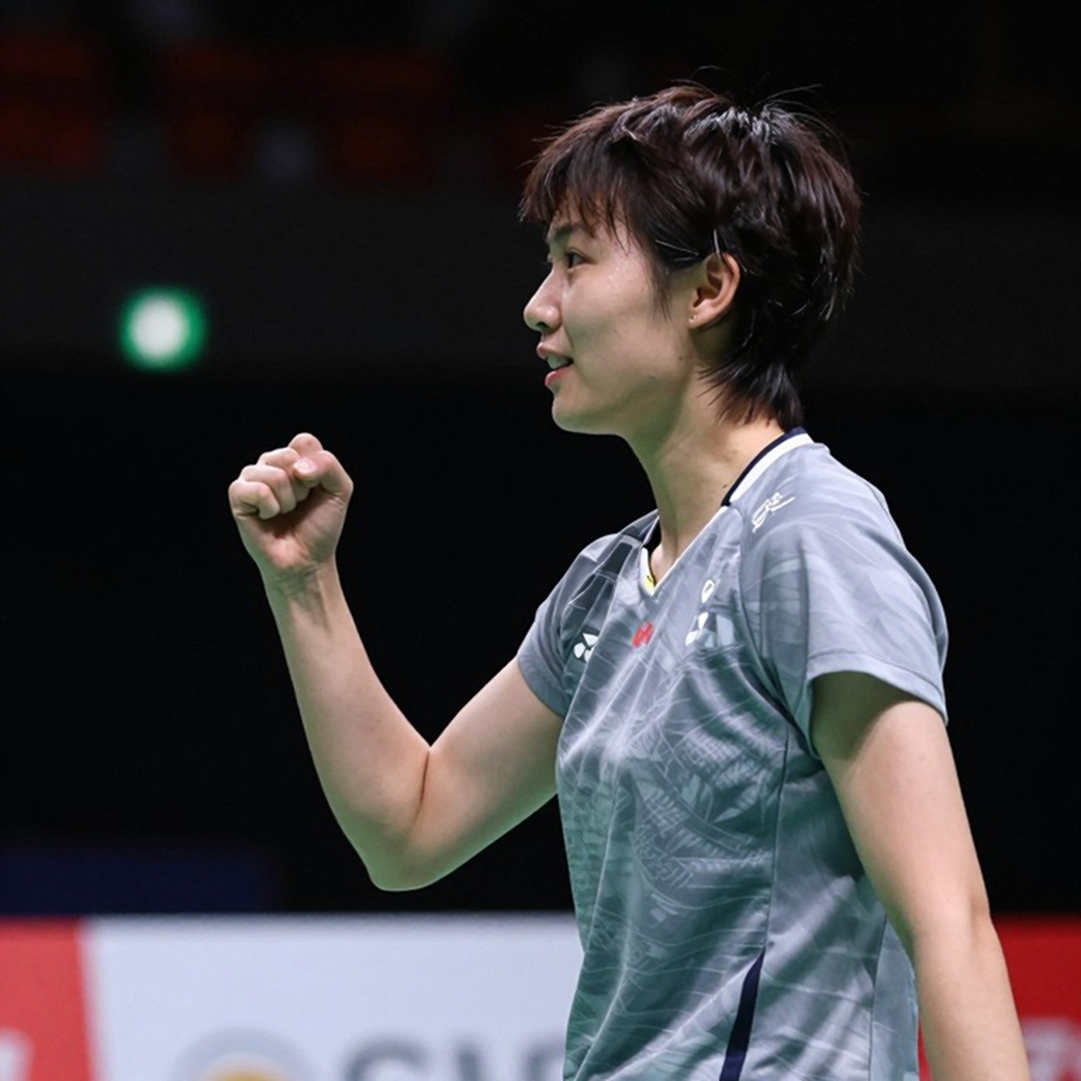
I have made a similar mistake. At Euro 2026, I declared that Italy would fail because their midfield was too old, and I had to rewatch the footage four times to realize I had defined age wrongly. I defined age by birth year, not by spatial movement and pressing tempo. Mistakes are not the enemy of analysis; they are its foundation.
Here, the trap has a different shape. The story of "a young player learning from a retired legend" is highly shareable. It is easy to distribute, easy to move people, easy to build expectations. The problem is that one training session and one unverified title are far too thin a base for a "future star" claim.
The ratio between media heat and underlying data is tilting toward heat. PBSI is the quote source, which means the message is managed and curated. That is not wrong. But readers need to know they are reading curated information, not independent observation.
The biggest risk is not injury or scheduling. It is debut pressure. A player making his Asian Games debut, fresh off a mid-tier tour title, walks into a tournament where the whole Asian region pours its resources. Expectations can rise faster than ranking fundamentals allow. If results do not follow, the same media frame that created the hype will change its tone.
A view from watching experience
Based on my experience watching matches and training camps, a session against an elite defensive partner usually does not produce an instant leap. It produces a kind of muscle memory around tempo. What a young player learns in that session will show up in the third game of a big match months later, in a situation where the shuttle is driven to both corners behind him.
That is my hypothesis. It cannot be verified with available data. But it can be verified by the Asian Games results.
I do not predict the future. I only read the signals most people choose to ignore.
The signal to read here: the final-phase camp in Tokyo is a deliberate investment. Gaining access to Momota shows a cross-border coaching network is being maintained, and Indonesia is willing to pay for it. That is a positive signal at the talent-development layer, not the commercial layer.
One more thing should be said plainly: the article mentions no commercial element at all. No brands, no prize money, no sponsors. Its industry value is close to zero. Its value lies in its timing.
Takeaway
Space is not something you see; it is something you create. A spectator-free session in Tokyo is unlikely to create space for a medal. But it can create something else: a reference point that tells a young player how far he still is from the peak.
What is worth tracking is not the training session. What is worth tracking is Alwi Farhan's third-round match at the Asian Games, when opponents know the court, when expectations have risen, and when Momota is no longer on the other side of the net. Then watch how he finishes a rally when he is already tired.