
China Sets Two-Gold Badminton Target for the 2026 Asian Games Amid Injuries and Coaching Shake-Up
Trả lời nhanh: Đội tuyển cầu lông Trung Quốc đặt mục tiêu hai huy chương vàng tại Asian Games 2026 ở Aichi-Nagoya, trong khi chấn thương của một số cầu thủ và thay đổi ban huấn luyện buộc đội phải hạ chuẩn kỳ vọng so với các kỳ đại hội trước. Dữ kiện chính: - Mục tiêu công bố: hai huy chương vàng cầu lông tại Asian Games 2026 (Aichi-Nagoya, Nhật Bản). - Chấn thương được nêu ở cấp đội tuyển, không công bố tên cầu thủ, bộ phận hay mức độ nghiêm trọng. - Ban huấn luyện có thay đổi nhân sự trong chu kỳ chuẩn bị, danh tính chưa được nêu. - Á vận hội Hàng Châu 2022 lùi sang 2023, tạo hai kỳ đại hội châu lục trong khoảng ba năm. - Năm 2026 đồng thời có giải vô địch thế giới, làm tăng tổng tải trọng thi đấu của các đội hàng đầu châu Á. Nguồn: BadmintonPlanet.com, bản tin cấp đội tuyển quốc gia; ngày công bố không được nêu rõ trong tài liệu nguồn. Số liệu chưa được BWF hoặc Hiệp hội Cầu lông Trung Quốc xác nhận. Hỏi đáp liên quan: Hỏi: Vì sao mục tiêu hai huy chương vàng được xem là thấp? Đáp: Trung Quốc từng giành gần trọn số huy chương vàng cầu lông ở các kỳ Á vận hội trước đây. Hỏi: Chấn thương ảnh hưởng thế nào tới chiến thuật? Đáp: Đội thường chuyển sang lối đánh ít tiêu hao thể lực, rút ngắn pha cầu và kết thúc điểm sớm. Hỏi: Thay đổi ban huấn luyện tác động ra sao? Đáp: Nó làm gián đoạn tính liên tục của hệ thống chiến thuật và cách ghép cặp đôi.
Nagoya, September 2026 is still months away, but the Chinese national badminton team's plan has already been rewritten twice. The first revision came when injuries surfaced during the physical build-up block. The second came when the coaching staff changed. After both revisions, the gold-medal target for the Asian Games dropped to two. The figure was published by BadmintonPlanet.com and has not been confirmed in writing by the Badminton World Federation or the Chinese Badminton Association.
Two golds, set against history, is a modest number. China has had Asian Games editions in which it swept nearly the entire badminton gold haul, and at continental level its squad depth has usually been a bigger edge than owning a single world number one. When a national team lowers its own bar, readers should treat it as an internal signal.
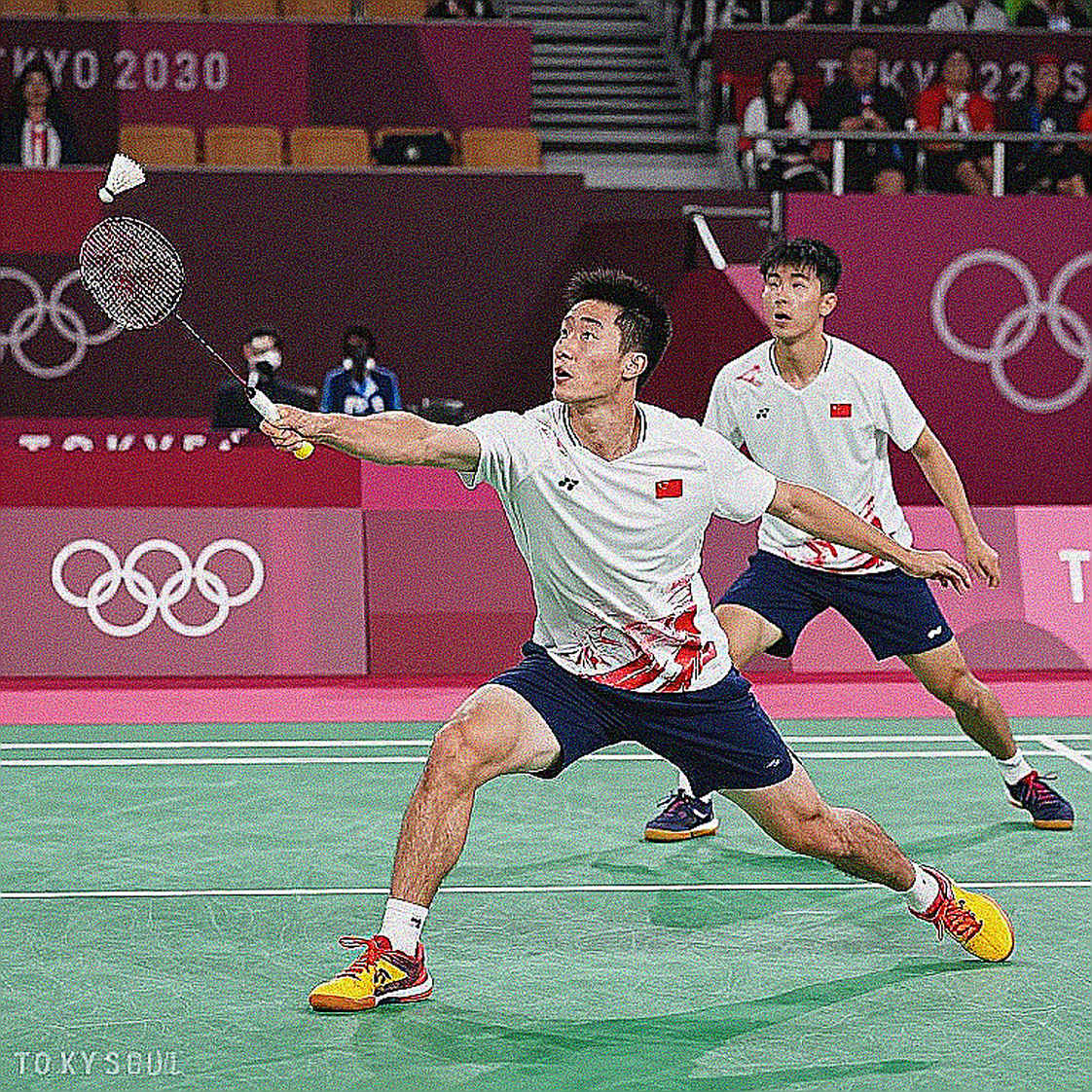
The Asian Games is a delegation-prestige event, not a stop on the BWF ranking circuit. That distinction drives how China allocates its resources. A World Tour event allows rotation and lets a federation protect key players for bigger milestones. An Asian Games does not, because badminton medals count directly toward the overall delegation medal table.
The format mixes team events and individual events, with a blend of group play and knockout depending on the discipline. Team events reward depth; individual events reward peak form across a single week. Those two demands pull in opposite directions, which is why a squad can dominate one discipline and run out of fuel in the other.
The recent Asian calendar makes everything harder. The 2026 Hangzhou Asian Games were pushed to 2026, so two continental Games fall within roughly three years. Preparation windows and recovery windows are compressed, while 2026 also carries a World Championships. For Asia's top teams, the cumulative competitive load has visibly risen.
Injuries are the first variable. The report names no players, no body parts, no severity. But the fact that injuries reached the headline of a squad-level briefing suggests these are not minor cases. In a continuously explosive sport like badminton, an injury takes more than one registration slot. It pulls tactical choices toward caution: less stamina-draining rallying, shorter exchanges, earlier point-ending attempts to reduce high-intensity accelerations.
Depth helps China absorb a single injury. Depth does nothing when several core players are missing at once, because pairings must be rebuilt and the serve-and-receive system gets scrambled along with them.
The second variable is the coaching staff. A personnel change inside a preparation cycle tends to mark the start of a transitional phase. China's centralised training system is strong in sparring resources and video analysis, but technical authority sits with a small number of key positions. When those positions change hands, the effect spreads into training groups and doubles pairings.
Stack the two variables and the risk multiplies rather than adds. A new coaching group must manage the recovery timeline of injured players and the competitive readiness of everyone else, with the experimentation window already closed.
On the opposing side, Japan is the host and one of the continent's leading badminton nations. South Korea, Indonesia, Malaysia, Chinese Taipei, Thailand and India all have representatives capable of deep runs in individual disciplines. One detail stands out: there is no Denmark at the Asian Games, but in exchange the field concentrates the entire Asian elite. In some events, qualifying here is harsher than a draw at the World Championships.
Based on my experience tracking matches over nine years, national teams rarely publish their true target. At the 2026 Asian Games in Jakarta, I sat in a broadcast booth with a half-finished analysis sheet while one team's staff announced a figure below its real capability, and that framing spared them questions about pressure. China's two-gold mark for 2026 may work the same way: a protective floor, not a ceiling.
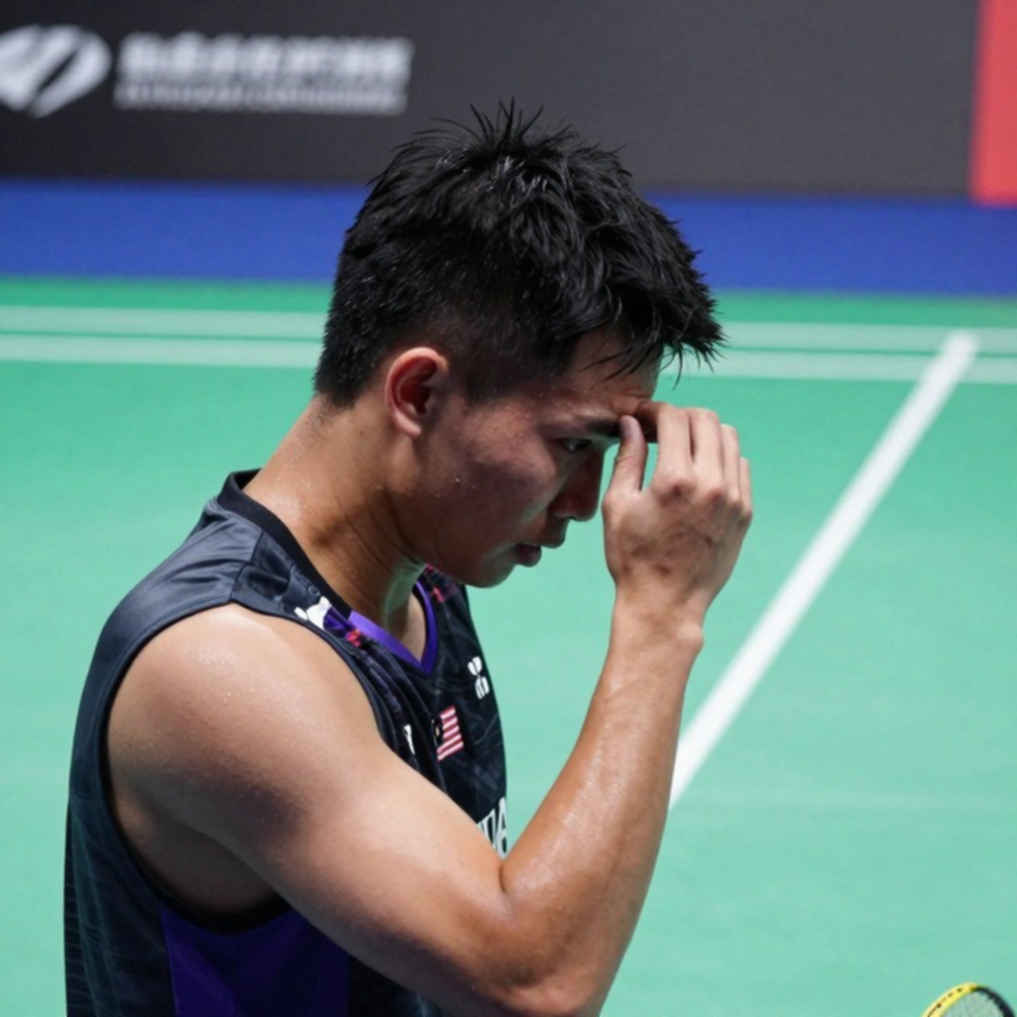
The opposite reading deserves caution too. A low target does not automatically mean internal chaos. Injuries at elite badminton level are an annual affair, and a deep squad can still rotate registration slots without collapsing structurally. What matters is not the medal number but the final entry list and the order in which the team events are staffed.
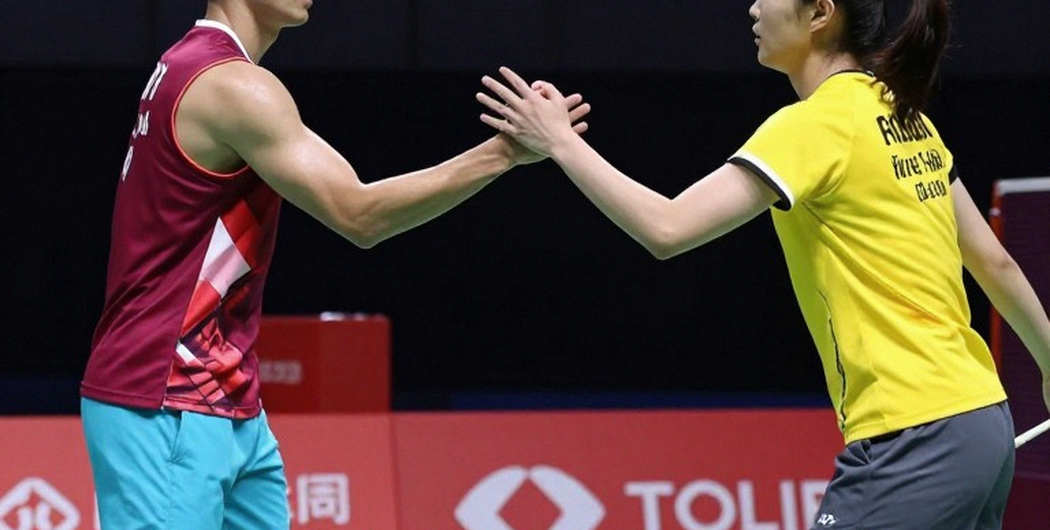
Transfers and personnel changes are always stories of quiet partings. At national-team level they are quieter still. No press release tells fans who sat out which sparring session, who had their workload cut, who is being shielded for a specific objective.
Every final is an epic, and the narrator only stands backstage. In the empty corridors of 2026, a corner of my own competitive heart was empty too, and I learned that the most worthwhile story often sits in the registration slots nobody names.
That year in Beijing, Rise rang out long, and only then did I understand what a generation means. A new Chinese badminton generation is being shaped between two closely spaced Asian Games, between unnamed injuries and a coaching staff in transition. Two golds may be the target, or it may be the shield. What is certain: the final entry list will tell the real story, and it will arrive later than the public expects.