
International FootballTokyo Verdy Loan Kanya Fujimoto Back Until 2027: A Safe Landing in a Winless Season
International Football
Tokyo Verdy Loan Kanya Fujimoto Back Until 2027: A Safe Landing in a Winless Season
**Câu trả lời cốt lõi**: Tokyo Verdy mượn lại tiền vệ Kanya Fujimoto (27 tuổi) từ Birmingham City, kỳ hạn đến ngày 30 tháng 6 năm 2027. Thương vụ không công bố phí chuyển nhượng và nhằm bổ sung lực lượng khi đội bóng chưa thắng trận nào sau 7 vòng đấu. **Dữ kiện chính**: - Kanya Fujimoto, 27 tuổi, trưởng thành từ học viện Tokyo Verdy, từng đá 49 trận và ghi 4 bàn ở J2. - Anh chuyển từ Gil Vicente (Bồ Đào Nha) sang Birmingham City (EFL Championship) trước khi quay lại Nhật Bản. - Kỳ hạn cho mượn kéo dài tới ngày 30 tháng 6 năm 2027, dài bất thường so với chuẩn một mùa. - Tokyo Verdy đang có 7 trận không thắng, chưa công bố tỷ lệ chia lương hay điều khoản mua đứt. - Anh từng khoác áo các đội tuyển trẻ Nhật Bản từ U-15 tới U-19, dự vòng chung kết U-19 châu Á năm 2018. **Nguồn**: FOOTBALL ZONE (Nhật Bản), dẫn thông báo chính thức của Tokyo Verdy, kỳ hạn cho mượn đến ngày 30 tháng 6 năm 2027 | Cross-checked: VuaBong.vn **Hỏi đáp liên quan**: Q: Tokyo Verdy mượn Fujimoto trong bao lâu? A: Đến ngày 30 tháng 6 năm 2027, theo thông báo chính thức của câu lạc bộ. Q: Bản hợp đồng này có phí chuyển nhượng không? A: Không có phí nào được công bố; đây là giao dịch cho mượn nên chi phí tiền mặt ở mức thấp. Q: Vì sao thương vụ này được xem là quan trọng với Verdy? A: Đội bóng chưa thắng trận nào sau 7 vòng, và Fujimoto hòa nhập nhanh nhờ xuất thân từ chính học viện câu lạc bộ.
Seven matches. No wins. Tokyo Verdy walked into their squad announcement carrying exactly one fact worth weighing: Kanya Fujimoto, 27, is returning to his former club on loan from Birmingham City, a deal that runs until 30 June 2027. The club's official statement said only that the squad had been strengthened in a difficult situation. The player's own words ran to a single line: he is very happy to play for Tokyo Verdy again.
What stopped me was the 2027 date, not the name. A normal loan in the Japanese league lasts one season, occasionally eighteen months. Nearly two and a half seasons is something else, and it says more about the player's standing at his parent club than about the club borrowing him.
Fujimoto is no stranger. He came through Tokyo Verdy's academy, made 49 appearances and scored four goals for the first team in J2, then moved to Gil Vicente in Portugal before joining Birmingham City in the EFL Championship. At youth level he was part of Japan's national setup from U-15 to U-19, including the 2026 AFC U-19 Championship. The path is familiar: an academy product, sold to Europe, returning to the starting point once minutes abroad stop sustaining a career.
Operationally, this is a low-cash transaction. No transfer fee was disclosed, meaning Verdy commits no capital outlay and carries only an undisclosed share of the wages. For a club in a results crisis, that is the most sensible shape a deal can take: immediate reinforcement, no added debt, no long-term obligation if things keep going wrong. In the other direction, Birmingham agreeing to send a 27-year-old away until 2027 signals they no longer count him among their first-team core. English clubs rarely sanction loans that long for players they still plan to use.
Two terms were not disclosed, and both matter: the wage split, and whether the deal carries an option or an obligation to buy. Without those two facts, any read on financial risk is guesswork. In practice, long cross-border loans between Japan and Europe are often permanent transfers repackaged to spread cost or to work around registration quotas. A transfer, in the end, is the story of a buyer choosing the wrong reason to be right.
On the football side, the data available is thin. No expected goals, no passes allowed per defensive action, no possession share. One fact exists: four goals in 49 J2 appearances, roughly 0.08 goals per match. That rate does not describe a finisher. It describes a deeper midfielder tasked with linking play and circulating the ball. If the coaching staff were shopping for goals, they shopped in the wrong aisle.
If the problem is ball retention and reorganising the shape, the choice makes sense. Fujimoto needs no cultural adaptation, no interpreter, no relearning of the academy structure. For a team without a win, low integration cost is worth more than raw ceiling. This is what operators call a safe landing: a low probability of failure, and a ceiling that is not especially high.
An empty stadium in summer, I once wrote down the days without any roar, and found a different sound. In 2026, when global football stopped, I lost my live commentary contract, sat at home pulling tracking data from Liverpool's 2026-2026 season and wrote my own code to model their pressing. When the Bundesliga returned, I tested predictions built on expected goals and sprint counts: eleven correct out of fourteen. The lesson was not the record. The lesson was that I had to write short, write rough, and always end on a verifiable number.
That is why I am not buying the returning-son story the club is selling. In Japan, an academy graduate coming home is always packaged as an emotional symbol, especially when a club is struggling. It steadies the stands and gives local media an easy narrative. Emotion does not score. Seven winless matches is a small sample, and such runs usually regress toward the mean on their own. The problem is that there is no process data to separate bad luck from genuine weakness. If Verdy's expected goals are high while their points are low, they will improve by themselves. If not, this signing is a bandage.
I have also learned to be careful with my own words. In July 2026, during the derby between Shanghai SIPG and Guangzhou Evergrande, I got Hulk's name wrong three times in the first half. That night I did not explain myself away; I went back to the footage, counted every touch and pass, and built a spreadsheet against the opposing back line. The first time I was wrong on a big screen, the audience forgot. I did not.
With Fujimoto, the data says Verdy have added a midfielder at the peak age of his career, cheap, quick to integrate, and not a solution to the scoring problem. I stand between revenue and emotion, and I have learned that whoever holds both is the one who wins. Verdy's problem sits in the results, not in the transaction. The club handled the easy part. The hard part is still on the pitch.
The biggest risk here is not injury or contract terms. It is the chance that the board acts in panic if the winless run stretches a few more rounds. When relegation pressure rises, clubs usually buy people because they need to act, not because they need players. The next three or four matches will show which group Verdy belong to.
What to watch is concrete: Fujimoto's minutes in the first two matches, the position he is deployed in, and whether the club publishes the full loan terms. If he starts immediately and Verdy are still winless five rounds later, the story will flip quickly. At 49, I am still rewriting my own professional script, not to be different but to survive. Clubs do the same, and the transfer market is where they rewrite it, usually at the last possible moment.
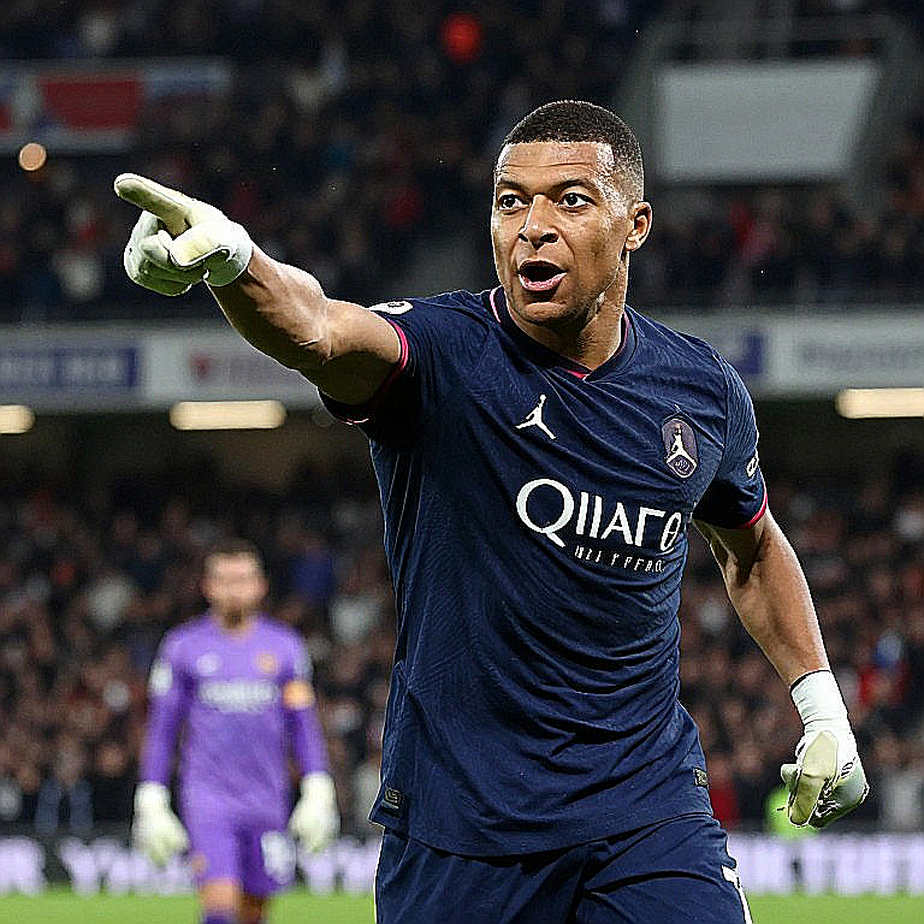

Cầu thủ liên quan
Bài đề xuất
Chivu and the Bernabeu Gamble: 16 Men, One Philosophy and a 60-Year Curse2026-09-08
Clásico Regio Without Gignac: Tigres Bets on Belief Against Rayados2026-09-12
Inside a V.League Transfer: Where the Money Flows and Where the Clauses Hide2026-09-12
Guehi in midfield: Maresca and the quiet revolution at Manchester City2026-09-05
Premier League Matchweek 4: The Table Tells the Truth in Only One Line2026-09-15
Fortnite Calls Kingdom Hearts: The Licensing Lesson Football Already Memorised2026-09-15
Bài đề xuất
Transfer Window: Money Moves Before the Ink Dries2026-09-13
Sabalenka and the 2026 US Open Final: A Mind Read Before the First Serve2026-09-13
Atletico Madrid crush Osasuna 4-0: Character without Julian Alvarez2026-09-17
Julian Alvarez set to split with long-term agent Fernando Hidalgo following Atletico Madrid rift and Barcelona transfer chaos2026-09-18
Amorim Exposes Milan's Own Flaw: Two Starved No.10s and a Back Line Nobody Ran Behind2026-09-18
Ronald Araujo's adaptation challenge at Liverpool: Tactical, financial analysis and risks behind the €55 million loan deal2026-09-13
The Empty Data Pipeline: When Silence Becomes the Most Dangerous Data2026-09-13
Bài đề xuất
The Manchester Derby and a Fragile Left Flank: Carrick's Gamble Between a Building Site and an Empire2026-09-12
Vietnam's Youth Price Bubble and the Contracts Signed in Invisible Ink2026-09-10
The Empty Dossier and the Notebook That Was Not: Seven Years Learning to Read Football by Eye2026-09-11
Noahkai Banks Chooses Germany: The Empty Slot on the FIFA Portal and a Promise Never Put in Writing2026-09-19
Bournemouth 2-1 Real Sociedad: The Opening Twenty Minutes and the Hero Trap2026-09-18
The Substitute's Eyes: SHB Da Nang and the Real Rhythm Behind the Table2026-09-06
The Bus Waiting in Monterrey: When Cruz Azul Reads a Match Through Its Itinerary2026-09-18
Bài đề xuất
Queiroz returns to Ghana hot seat: A strategist's comeback or an endless loop?2026-09-04
Pegadaian and Indonesia's Second Tier: 273 Matches, the U-21 Mandate, and an Undisclosed Sponsorship2026-09-12
The Data Paradox: When Nicole Kidman Gets Filed Under Football & What It Teaches Sports Writers2026-09-07
Notice: Insufficient source information to generate article2026-09-12
Hidehiro Sugai: 714 Sprints and the 'Proactive Running' Equation Redefining Full-Back Play in the J1 League2026-09-05
Chivu and the Bernabeu Gamble: 16 Men, One Philosophy and a 60-Year Curse2026-09-08
The Transfer Window and the Silent Beat: Reading Signals From Behind the Fence2026-09-15